
How it works
The EEIC (PATENT PENDING) it is a device composed of passive components designed to reduce electrical energy consumption in standard efficiency three-phase and single-phase alternating current motors without distorting the sine wave and while maintaining he RPM.
What We Offer
Benefits
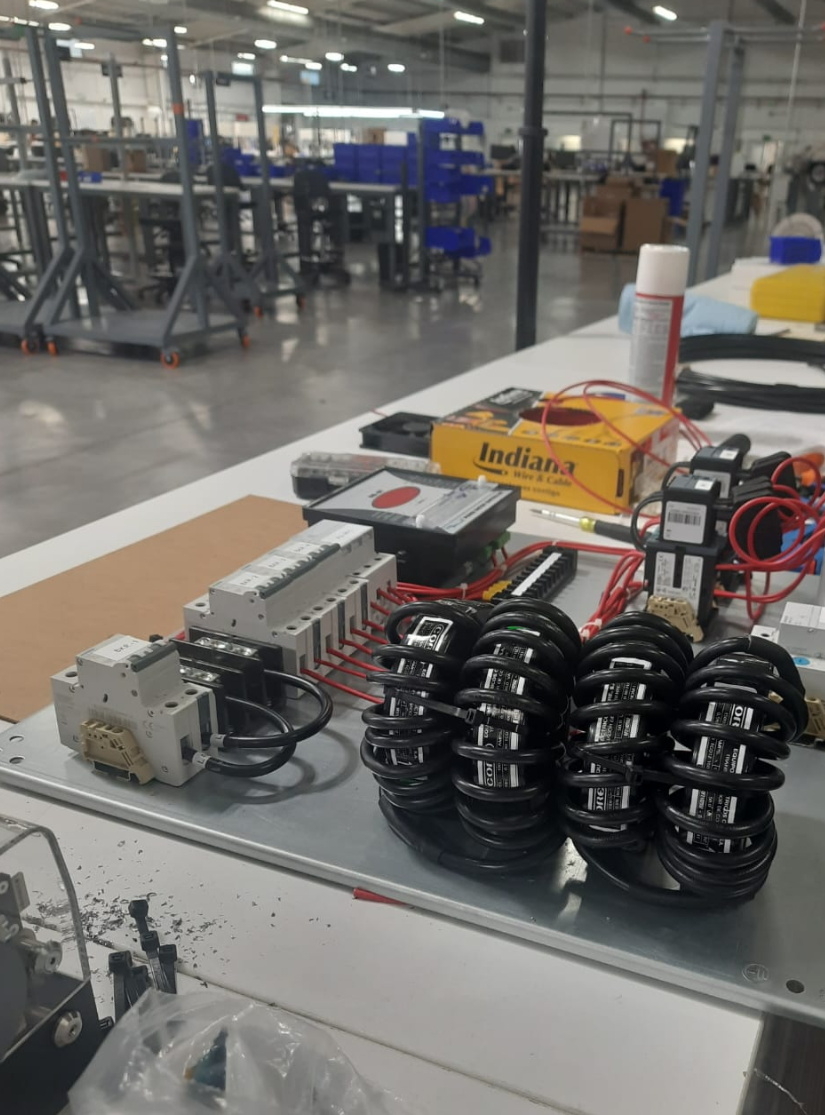
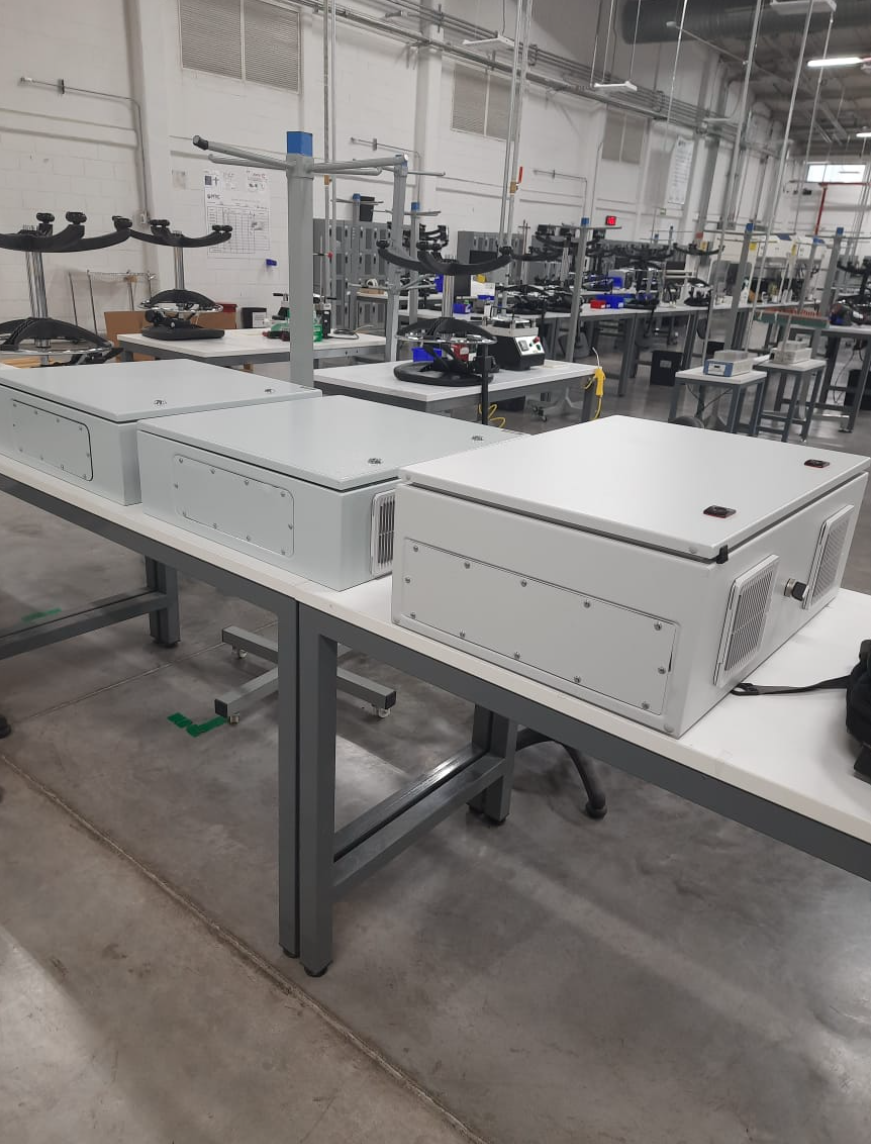
The EEIC (Patent Pending) is configured to reduce kilowatts measured at a utility meter while maintaining voltage and fundamental frequency at the utility meter. The Amperes, Kilowatts, Kilovolt-Amperes, Kilovolt-Amperes- Reactive at the utility meter decrease.
The EEIC is configured to reduce voltage, amperage, Kilowatts, Kilovolt-Amperes, Kilovolt-Amperes-Reactive at the motor while maintaining a fundamental frequency and revolutions per minute of the motor.
The reduced amperage in the cables may result in reduced losses due to the Joule effect. The Joule effect refers to the heat generated in electrical conductors.
The EEIC may reduce temperature of motor windings, thereby extending the service life of the motor.
The EEIC may increase the available capacity of transformers in the electrical system.
The EEIC may improve the power factor of the motor system as an additional operational benefit.
Embodiments of the EEIC may achieve varying levels of kilowatt reduction depending on the load percentage at which the motor operates. When the motor operates at 110% load percentage, the EEIC may achieve a kilowatt reduction of 10%-17%. Whenthe motor operates at 83% load percentage, the EEIC may achieve a kilowatt reduction of 20%-35%. When the motor operates at 75% load percentage, the EEIC may achieve a kilowatt reduction of 25%-40%. When the motor operates at 73% load percentage, the EEIC may achieve a kilowatt reduction of 30%-45%. When the motor operates at 66% load percentage, the EEIC may achieve a kilowatt reduction of 35%-48%. The kilowatt reduction percentages demonstrate that the EEIC may provide greater energy savings when the motor operates at lower load percentages relative to rated capacity.